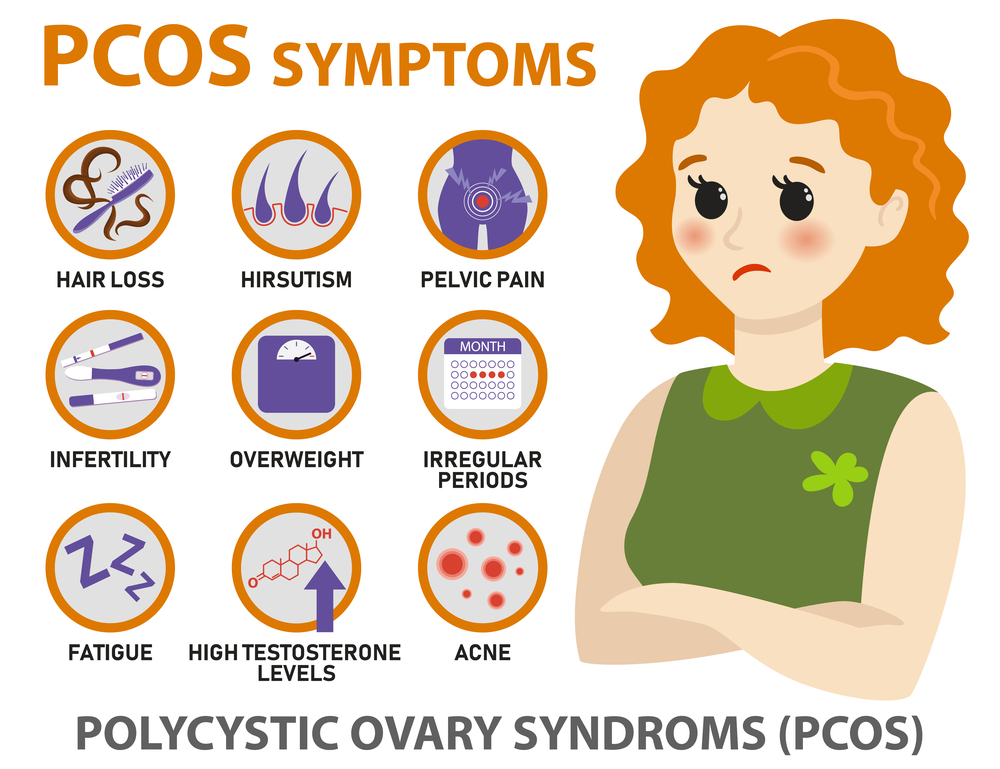
A polycystic ovary can have twice the number of follicles than healthy ovaries do. In polycystic ovary syndrome (PCOS), these sacs are often unable to release an egg. This means that ovulation doesn’t take place each month. This can cause you to stop having periods, or to have irregular periods, fertility issues, unwanted hair growth (Hirsutism) on the face, neck, chest, arms, back, skin issues (particularly along the jawline and chin area) oily skin or thinning hair.
Causes of PCOS
Apart from genetic pre-disposition, many people with PCOS have insulin resistance– for more basic info on diabetes/ insulin resistance, see blog on this here. In fact, more than 50% of those with PCOS develop diabetes or pre-diabetes before the age of 40. Diabetes is directly related to how the body processes insulin.
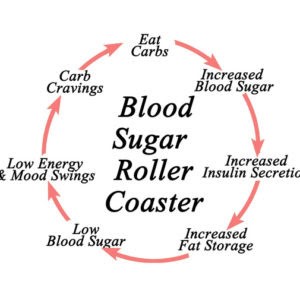
Insulin and blood sugar levels play a significant role in PCOS, so managing insulin levels with a PCOS diet is one of the best steps people can take to manage the condition.
The majority of overweight women with PCOS are insulin resistant. But what about lean women? You probably have been told by your doctor that you weren’t insulin resistant because you aren’t overweight– or maybe because your fasting insulin levels were normal. Many physicians don’t like to call women with PCOS “insulin resistant” if they are not overweight. However, insulin resistance can occur in lean women with PCOS. For example, thin women with PCOS have higher insulin levels in their blood than those without PCOS. ‘Lean’ PCOS is often missed as a diagnosis, but is more common than one would expect.
Diagnosing Insulin Resistance In PCOS
Keep in mind that it can be very difficult to diagnosis insulin resistance in PCOS. And it’s NOT done by markers like fasting glucose and HbA1c. The best way to diagnose insulin resistance is by a 2 hour glucose tolerance test with insulin levels. Lean PCOS women tend to have normal fasting insulin levels, but are more likely to have high levels of insulin after eating. Note: many labs don’t do this kind of test.
You can also measure your waist to hip circumference. Fat stored in the belly area versus hips, thighs and butt can be an indicator of insulin resistance. If your ratio is greater than .8, it is more likely you are insulin resistant. In my practice, I have seen many lean women with PCOS store any excess fat they have in the belly area.
PCOS And Hypoglycemia
In addition to insulin resistance, up to 50% of women with lean PCOS may experience reactive hypoglycemia. This is when you secrete large amounts of insulin after eating which can cause a rapid drop in blood sugar anywhere from 1.5 – 5 hours after earing. Extreme hunger, fatigue, shakiness, light headedness, cravings and irritability can be symptoms. If you experience these symptoms, it will be important to eat balanced meals, avoid sugary foods (especially if eaten alone) and to plan healthy snacks in between meals.
PCOS And Inflammation
Women with PCOS tend to have low grade inflammation. Inflammation is now believed to also be at the heart of PCOS. And while it’s exacerbated in women with obesity, studies show that even lean women with PCOS can have inflammation. Lean /not overweight women with PCOS have more inflammation as compared to women without PCOS as evidenced by the inflammatory markers. These markers include higher levels of C-reactive protein (CRP), pro-inflammatory cytokines and chemokines, white blood cell count, and oxidative stress.
Adrenal Androgen Excess
Although the ovaries have been reported to be the main source of androgen excess in PCOS, excess adrenal androgen levels and adrenal dysfunction have also been observed in PCOS patients. It’s believed that the proportion of adrenal androgen excess may be higher in lean PCOS patients. These patients present with less insulin resistance and fewer metabolic risk factors, which suggests that the pathogenesis of this group may differ from that of obese PCOS patients.
Current evidence suggests that in women with PCOS, the adrenals produce androgens through an exaggerated response to adrenocorticotropic hormone (ACTH) stimulation from the pituitary gland. Obesity, insulin resistance, and ovarian secretions seem to play a limited role in adrenal androgen excess.
It’s believed that genetics, along with stress, may play a role in elevated adrenal androgens. This is an area where more research is definitely needed! Managing stress through lifestyle modifications, including meditation, deep breathing, visualization and other mindfulness activities may be helpful. It’s also important to get adequate sleep and NOT undereat.
PCOS Diet and Lifestyle Recommendations
Whether or not you have insulin resistance, it’s important to follow as many tips as possible. Because it’s not all about insulin resistance! High levels of androgens, inflammation, and altered gut microbiome are also major components of PCOS. A healthy diet and lifestyle for PCOS can play a role in helping each of these areas. It’s also so important that you develop a healthy relationship with food to decrease your risk of an eating disorder. Note: even if you are insulin resistant, it doesn’t mean you need to avoid or strictly limit your carbs.
Managing PCOS with Diet
The good news is that certain nutrients can help lower androgens, insulin levels and inflammation as well as decreased risk of heart disease and diabetes.
Limit sugary drinks/foods and high glycemic carbs including white bread, pasta, rice and other highly processed foods. These foods have a negative impact in 3 major areas of PCOS: insulin resistance, inflammation and gut health.
Follow an anti-inflammatory diet. Include fatty fish, green leafy vegetables, fruits, whole grains, tea, and spices including turmeric, ginger, garlic, basil, cayenne pepper, rosemary, sage, nutmeg, oregano, and thyme. They have been shown to have anti-inflammatory properties.
Eat a diet that is good for the gut. Studies are suggesting women with PCOS may have an altered gut microbiome. Optimizing your gut flora is important for a well-functioning immune system, helps ward off chronic inflammation and may help with insulin resistance. Fermented foods such as kefir, many yogurts, natto, kimchee, miso, tempeh, pickles, sauerkraut, olives, and other fermented vegetables, will help ‘reseed’ your gut with beneficial bacteria.
Pay attention to food sensitivities. Individual food sensitivitiesmay trigger an immune-based reaction which can lead to inflammation. Common allergens like casein and gluten (proteins found in dairy and wheat) are quick to spark the inflammatory cascade. If you think you might have a food sensitivity, try going on an elimination diet for two weeks to see how you feel. Many women with PCOS choose to avoid soy, gluten and dairy. There is no evidence-based research that all women with PCOS need to avoid these foods, yet some women feel better omitting them. So try the elimination diet. Studies have shown the dairy can worsen acne in PCOS, so pay attention to how it affects you.
Add in flaxseeds Flaxseeds contain the omega-3 fatty acid ALA, lignans, fiber, some protein and vitamins and minerals. They have numerous health benefits including improving heart health, lowering cholesterol and decreasing risk of stroke. They are rich in both soluble and insoluble fiber. These fibers aid in gut health, may help lower blood sugar in people with type 2 diabetes as well as slow the rise and fall of blood sugar and insulin. Flaxseeds also contain lignans which may help prevent certain types of cancer. Lastly, one small study showed consuming 4 T. of flaxseeds a day for 4 months lowered all 3 scores of androgen markers decreased significantly
Drink tea -Spearmint tea. Preliminary findings are encouraging that spearmint has the potential for use as a helpful and natural treatment for hirsutism in PCOS. Research has suggested that spearmint tea lowers androgen levels in women with hirsutism. Further research is needed to determine how effective it might be in treating hirsutism. But in the meantime, it’s worth a try! Aim for at least 2 cups of tea a day. – Green tea is rich in antioxidants
Plan healthy snacks for in between meals if you experience hypoglycemia. My favourite snack ideas include almond butter on an apple, natural peanut butter on your favourite high fibre cracker, a handful of nuts, guacamole and veggies, plain Greek yogurt (or a non-dairy yogurt) with sunflower seeds and a few berries.
Meal timing: The time of the day you eat affects how your body metabolizes food. This is due to to your body’s circadian rhythm. The body functions on a 12 hr sleep/wake cycle. Eating more calories earlier in the day during the “wake cycle” can improve insulin resistance, testosterone levels and ovulation in PCOS. I know this can be difficult as many of like to socialize around dinner time versus breakfast! But just make sure you are eating a fair amount of your calories earlier in the day and taper down a bit as the day goes by. This study is a bit radical as most of us don’t eat 980 calories for breakfast … but you get the point
The 18 Best Foods For PCOS
NUTS Health benefits: Nuts are nutrient rich foods with wide-ranging health benefits. They contain heart healthy monounsaturated fats, fibre, protein, magnesium, fibre, Vitamin E, α-linolenic acid, L-arginine, and antioxidants. Studies show they decrease inflammation and insulin resistance. In addition, they protect against cardiovascular disease (CVD) by several mechanisms including lowering cholesterol and decreasing inflammation. Nuts are rich in magnesium, which may help decrease risk of diabetes, especially in women. Lastly, epidemiological studies have demonstrated nuts can aid in weight loss.
Tip: While nuts are super healthy, they are calorically dense. So keep tabs on portions!
LEAFY GREENS
Health benefits: Leafy greens are low in calories but rich in nutrients including vitamins A, C, K, folate and potassium. Spinach and other green leafy veggies may reduce type 2 diabetes risk because of their high concentrations of polyphenols and vitamin C, both of which have antioxidant properties. They also contain magnesium, which may further reduce risk of diabetes as well as insulin resistance and as well as heart disease. Magnesium may also aid in bone health, mood, and sleep. In addition, leafy greens help decrease inflammation, and contain fibre which can aid in gut health.
Tip: When possible, buy organic leafy greens, especially spinach as it has a high level of pesticide residue. And the darker the greens, the more nutrition. Add to salads, smoothies (mild flavour), soups, omelettes, stews and chilis.
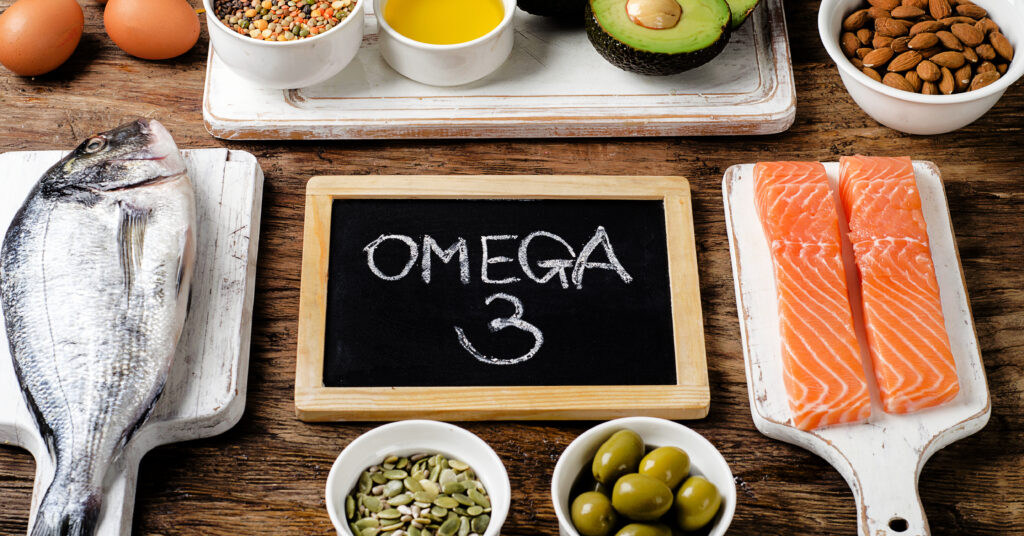
FATTY FISH Health benefits: Fatty fish is rich in protein, B vitamins and is an excellent source of the long-chain omega-3 fatty acids, EPA and DHA. EPA and DHA are known for decreasing inflammation as well as lowering blood pressure and improving the function of the cells that line your arteries
BLUEBERRIES Health benefits: Blueberries are rich in nutrients and offer a wide range of health benefits. They are an excellent source of fibre, vitamins A and C, potassium, and folate. Blueberries are also loaded with antioxidants and phytochemicals including anthocyanins, quercetin, kaempferol, myricetin, and chlorogenic acid. It is these antioxidants and phytochemicals that are associated with cardiovascular and cognitive health, decreased inflammation and cancer prevention. Epidemiological evidence also suggests that incorporating blueberries into the diet may lower the risk of developing type 2 diabetes. Clinical studies also show blueberries improve insulin resistance as well as improve blood pressure.
AVOCADO Health benefits: Contain over 20 vitamins and minerals and are rich in heart healthy monounsaturated fat. Monounsaturated fats have been shown to improve heart health and may help decrease inflammation. In addition, the fiber in avocados slow the rise and fall of blood sugar levels, which helps prevent insulin spikes. While considered a fruit, avocados contain minimal carbs.
EXTRA VIRGIN OLIVE OIL Health benefits: Olive oil is the natural oil extracted from olives, the fatty fruit of the olive tree. 73% of the fat in olive oil is a monounsaturated fat called oleic acid, which is has numerous health benefits. Extra-virgin olive oil (EVOO) contains oleocanthal, phenolic compound that has potent anti-inflammatory benefits. EVOO also plays a role in heart health. It’s a known fact that the Mediterranean diet is one of the most heart healthy diets in the world. Results from the Predimed study shows that augmenting the Mediterranean diet with four T of virgin olive oil/day helps improve the way HDL (good) cholesterol functions, thereby decreasing heart disease risk even more. This meta-analysis provides evidence that the intake of olive oil could be beneficial for the prevention and management of T2D Tip: Extra virgin olive oil is the only type that contains all the antioxidants and bioactive compounds. There has been some fraud on the market with some companies putting EVOO on the label – when it’s not accurate. Do your research with brands. Sauté with it, use it to make salad dressings and roast veggies.
FLAXSEEDS Health benefits: Flaxseeds contain the omega-3 fatty acid ALA, lignans, fibre, some protein and vitamins and minerals. They have numerous health benefits including improving heart health, lowering cholesterol and decreasing risk of stroke. They are rich in both soluble and insoluble fibre. These fibres aid in gut health, may help lower blood sugar in people with type 2 diabetes and help with weight control by keeping you full longer. Flaxseeds also contain lignans which may help prevent certain types of cancer.
Tips: Flaxseeds need to be ground or purchased as flaxmeal in order to reap the full nutritional benefits. In addition, they need to be refrigerated once opened. Add 1-2 T. to yogurt, smoothies, oatmeal or sprinkle on a salad.
CACAO Health benefits: Cacao is rich in antioxidants called flavanols as well as magnesium. Both have been shown to have positive effects on blood sugar. Magnesium plays an important role in glucose metabolism. It’s been found that a higher dietary intake of magnesium is associated with a significantly lower risk of diabetes as well as improved insulin sensitivity. Adequate levels of magnesium are linked to improved heart health and bone health. It may also help with sleep, migraines, PMS and depression. Magnesium is a mineral that can’t be made in the body so you need to consume adequate amounts daily. But it is estimated that 50-80% of people are deficient in magnesium. Having cacao in moderation is fine, just watch dark chocolate as it has added sugar!
OATS (steel cut, whole oats or oatbran)
Health benefits: Oats contain carbohydrates, some protein and fibre. They are a rich source of beta-glucan, a viscous soluble fibre, which has been shown to lower LDL cholestero. Because of their low glycemic index, they also have less of an impact on blood sugar and insulin levels. The high fibre intake can help you feel fuller longer and aid in digestive health.
Tip: Eat oatmeal for a filling breakfast. Add some nuts or nut butter or even a little protein powder to bump up the protein. No time to cook it in the morning? Use a slow cooker and make them overnight or just add a milk (dairy or plant-based), refrigerate and it will turn into overnight oats. Make a big batch on the weekend, portion out and freeze (can also do with regular oats). Top with sprinkled cinnamon. Oatbran is an even more concentrated source of beta glucan than oatmeal – with fewer calories and carbs.
CHIA SEEDS Health benefits: Similar to flaxseeds, chia seeds contain the omega-3 fatty acid ALA, fibre, some protein and vitamins and minerals. The seeds absorb double their weight, swell in your stomach and help you feel full. They are rich in fibre, which may help lower cholesterol and promote gut health. Studies show that chia seeds may lower the rise in blood sugar after a high-carb meal, possibly benefiting people with type 2 diabetes. While more studies are needed, some studies suggest that the high antioxidant content of chia seeds may help decrease inflammation. Chia seeds have a 3:1 ratio of omega 3: omega 6 fatty acids. It is important to have this ratio because too much Omega 6 can cause more inflammation.
GREEN TEA Health benefits: Green tea is considered one of the world’s healthiest drinks and contains one of the highest amounts of antioxidants of any tea. Natural chemicals called polyphenols in tea are what are thought to provide its anti-inflammatory and anti-carcinogenic effects. Green tea contains a catechins, EGCG, which is an antioxidant that helps prevent cell damage. Recent studies are suggesting green tea has health benefits in the areas of cancer, heart disease, stroke, memory, Alzheimer’s disease, diabetes and weight loss.
EGGS Health benefits: Eggs are packed with nutrients including iron, folate, Vitamin B12 ,Vitamin B2, and selenium. Eggs also contain lutein and zeaxanthin which are good for vision as well as choline which promotes brain and nerve health. B vitamins, and omega-3 fatty acids that reduce inflammation. Eggs are rich in protein and fat, both of which keep us feeling full longer. Studies have shown that a high protein breakfast of eggs aid in weight loss, promote a more stable blood glucose and insulin response, while also suppressing ghrelin (the hunger hormone) For years we’ve been told to limit eggs due to their cholesterol raising effect. Luckily this has been proven inaccurate except for a very small percentage of the population who is genetically susceptible to dietary cholesterol. But for the majority of us, eggs have been given the green light!
LEGUMES Health benefits: Legumes (beans and lentils) contain carbohydrate, protein, vitamins and minerals such as calcium, magnesium, B vitamins, and zinc. Legumes are also rich in both insoluble and soluble (or fermentable) fibre. This fibre helps keep you feeling full longer, lowers cholesterol, and aids in gut health. Because of the high fibre and protein content, beans have a low glycemic index, thereby causing a slow rise and fall of blood sugar. Beans and peas specifically contain lignans and saponins which may help prevent against certain types of cancer.
CINNAMON Health benefits: Cinnamon is a spice that comes from the branches of trees of the “Cinnamomum” family. This sweet, spicy bark has been shown to improve blood glucose levels by slowing down carbohydrate absorption, decreasing insulin resistance by the cells, increasing glucose uptake by cells and decreasing glucose production by the liver. It also has anti- inflammatory properties which may play a role in preventing or reducing the progression of diabetes. It has even been shown to lower LDL cholesterol and increase HDL.
FERMENTED VGETABLES
Health benefits: Fermented vegetables, including sauerkraut, kimchi and naturally fermented pickles are rich sources of probiotics. The word “probiotic” means “for life”; they aid in keeping our guts healthy. And as we know, gut health leads to overall health. Other food sources of probiotics include: yogurt, buttermilk, kefir, cultured cottage cheese, miso, tempeh, and kombucha. But don’t assume they all contain probiotics. Read food labels for “live, active” cultures. For example, not all sauerkraut contains live, active cultures. And kimchi or sauerkraut in a jar has likely been heat treated which destroys the live cultures. And even yogurt in the United States is not required to contain any live cultures, and tests have shown that some yogurt products have a wide range of levels of live bacteria.
EXERCISE, LIFESTYLE, MIND-BODY
Weight train. Both cardio and weight training have health benefits, but it is especially important that you weight train if you have lean PCOS. Weight training builds/preserves muscle. And muscle is one of the major ways to get glucose out to the blood and into the cells. So it helps you make less insulin!
More exercise is not better! The exact I feel that weight training 2-3 times a week and cardio 2 -3 times a week is a good plan for most lean women with PCOS. Overexercising can decrease fertility, increase chances of HA and set you up for exercise bulimia.
Stress managementincluding yoga and mediation. This is especially important you have elevated adrenal androgens. See above.
Adequate sleep. Sleep deprivation can affect almost every part of your body ranging from your brain, muscles, immune system and even skin. And if that’s not enough, inadequate sleep can increase risk of heart disease, diabetes and obesity as well as cause inflammation and worsen insulin resistance. This is the last thing a woman with PCOS wants. Read my blog post on 14 Reasons Why You Need Sleep with PCOSTry acupuncture. Acupuncture benefits the opiod system, and HPO axis dysfunction. Try low frequency electrostimulation 2-3 times a week before ovulation. I’ve had many lean women with PCOS swear acupuncture helped them with fertility
SUPPLEMENTS TO CONSIDER WITH PCOS
Chromium A natural way to balance blood sugar, but not a replacement for dietary control! Chromium can reduce sugar cravings. Managing diet and ensuring adequate protein intake is key so you don’t feel hungry and crave sugar
Myoinositol and D-Chiro-Inositol. These supplements are relatives of the B complex vitamins. Studies have demonstrated they decrease insulin, triglycerides, testosterone and blood pressure. In addition, they may regulate periods, restore hormone balance, and improve egg quality and ovulation. If you are not insulin resistant, it may have no benefit. More studies are needed!
Keep vitamin D levelswithin a normal range. 80% of women with PCOS have low vitamin D levels. Low vitamin D is associated with insulin resistance in PCOS. It also improves fertility, decreases androgens and inflammation. Read this great blog post by PCOS Nutrition on Vit D and PCOS.
Omega 3 fish oil. Research has shown that omega-3 fish oils offer many benefits to women with PCOS, including reducing testosterone levels, helping regulate menstrual cycles and improving mood. You can get the omega-3 fatty acids by eating fatty fish more than twice a week. However, if you don’t eat fish that often, you will benefit from taking a fish oil supplement. Studies suggest that supplementing with 1,500 mg of omega-3 fatty acids daily may improve insulin resistance and supplements of 2,000 mg of omega-3 fatty acids improve menstrual regularity.
OTHER TIPS
Be on guard for weight gain. It’s harder to stay lean with PCOS. Lean women with PCOS have lower caloric intakes than other lean women without PCOS– it’s more difficult to stay lean! But be careful not to take your calories too low as this can slow your metabolism.
Being too lean can have negative consequences on fertility and overall health (i.e. bone health). Too little body fat can affect ovulation and cause menstrual cycles to stop.
Keep track of your HbA1c and cholesterol levels, especially as you age. While the risk of diabetes and heart disease is increased with body weight, you may still have an increased risk due to having PCOS.
Beware of endocrine disrupters, especially BPA. Endocrine disruptors can wreak havoc on the endocrine system – especially when the endocrine system is already disrupted as it is in PCOS. Studies are suggesting there may be a connection between endocrine disruptors and PCOS – especially BPA. Bisphenol A or BPA is an estrogen-mimic industrial compound that is widely produced in food and beverage packaging. Multiple studies report a strong relationship between BPA and the production of testosterone. Women with PCOS tend to accumulate more of them as compared to women without PCOS. This study showed lean women with PCOS, BPA values were significantly higher compared with lean controls and the same difference was observed in the obese subgroups.
How Kinesiology can help PCOS
We can test and balance your hormone pathways
Test Inflammatory markers and see what you need to reduce these if they are high
Test blood sugar markers
Test stress hormones
Check what herbs or supplements you need to balance all of the above
Check your gut health to see how your absorption of nutrition is
**All information published by Midlands Kinesiology is for information purposes only and not intended to diagnose or treat any medical condition.